Come Together
Making Tracks - March 2026
Preparing to Move
As you undoubtedly already know, the MacArthur Center will be closing in the middle of this year. Our search for a new permanent location has not yet panned out, so we will begin moving our layouts into storage during May and June. The deadline for us to be moved out is on June 27th. You may still come in and visit during this time, but there will be less to see as the tables begin disappearing. Many of our layouts are built in sections which can be easily separated. However, the scenery on the surface of the tables may be more difficult to salvage. Whatever gets destroyed, we can restore, perhaps even better than the originals.
You are probably wondering where we will end up. We have the same questions as you and we are not sure yet. The Norfolk Downtown Council has offered to help us find a place, so we are grateful for that. Plus we are looking around for suitable vacant buildings or perhaps one of the local schools that will be vacated soon. We hope to find a permanent place by the end of this year.
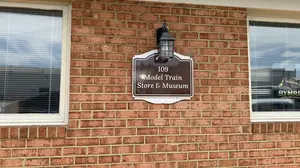
In the meantime, we have found a small place where we can temporarily have an office, a store, and a small storage area where we will be able to display at least two of our layouts. This will be at the west end of the Fairfield shopping center in Kempsville area of Virginia Beach with the mailing address of 750 Lord Dunmore Dr. 23464. Suite 109. We already have a sign up there near the door.
We wish to thank the many thousands of visitors who came through our museum since November of 2024. Due to your support we have been able to provide an educational and enjoyable service to the community while proving that model railroading is still a thriving source of interest, art and excitement for those who wish to visit.
Train Song of the Month
By Frank Reed
All Aboard (1956)
by Muddy Waters
Better known as Muddy Waters, McKinley Morganfield originally wrote and released "All Aboard" in 1956. Issued on Chess Records, this was to be the B-side to his "Forty Days and Forty Nights" single. Though not a direct cover (this perfectly stands alone in its own right), "All Aboard" is apparently adapted from Arthur Crudup’s "Mean Ol’ Frisco Blues". Note Little Walter Jacobs on harmonica.
Muddy Waters (April 4, 1913 – April 30, 1983) was an American blues singer-songwriter and musician who was an important figure in the post-World War II blues scene, and is often cited as the "Father of modern Chicago Blues.”
The Frisco: The St. Louis–San Francisco Railway, commonly called the Frisco, was incorporated in Missouri on September 7, 1876. It was formed from the Missouri Division and Central Division of the Atlantic and Pacific Railroad.
For more “train songs” check out the “Train Songs for Model Railroads” YouTube playlist at
https://youtube.com/playlist?list=PL07n2-n5FoRHYzhKfA--soywuLOFvEv1l&si=IODFaTIeOe7OBQ7G
🚂 Steam Locomotives of the 1940s–1950s
Common Types & How to Recognize
Them
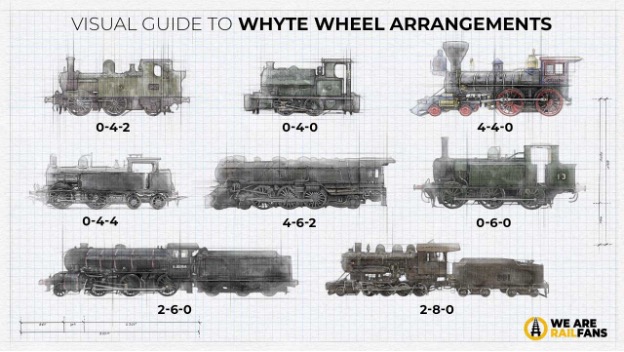
🚆Whyte Wheel Arrangements - A Visual Guide to Steam Locomotive Nomenclature
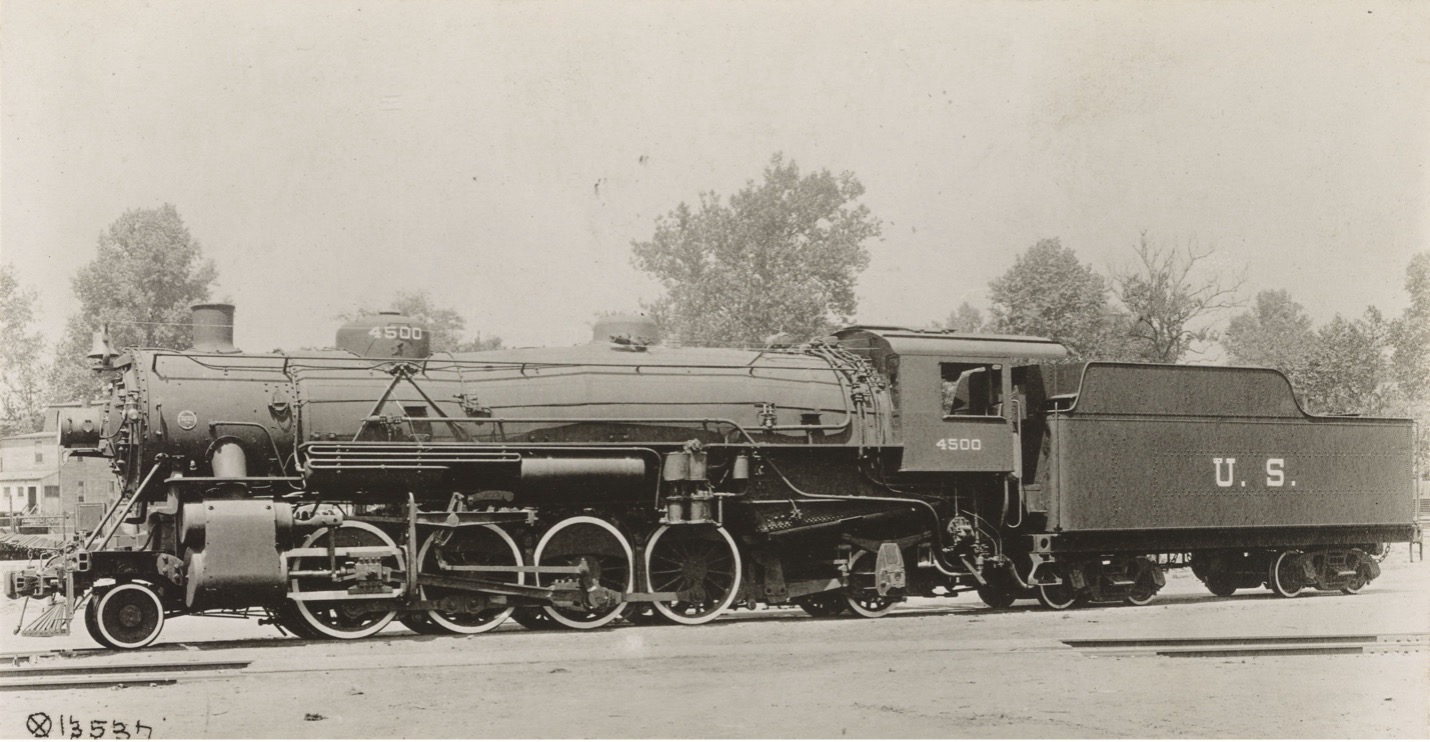
🚛 Mikado (2-8-2) — Freight Workhorse
Description:
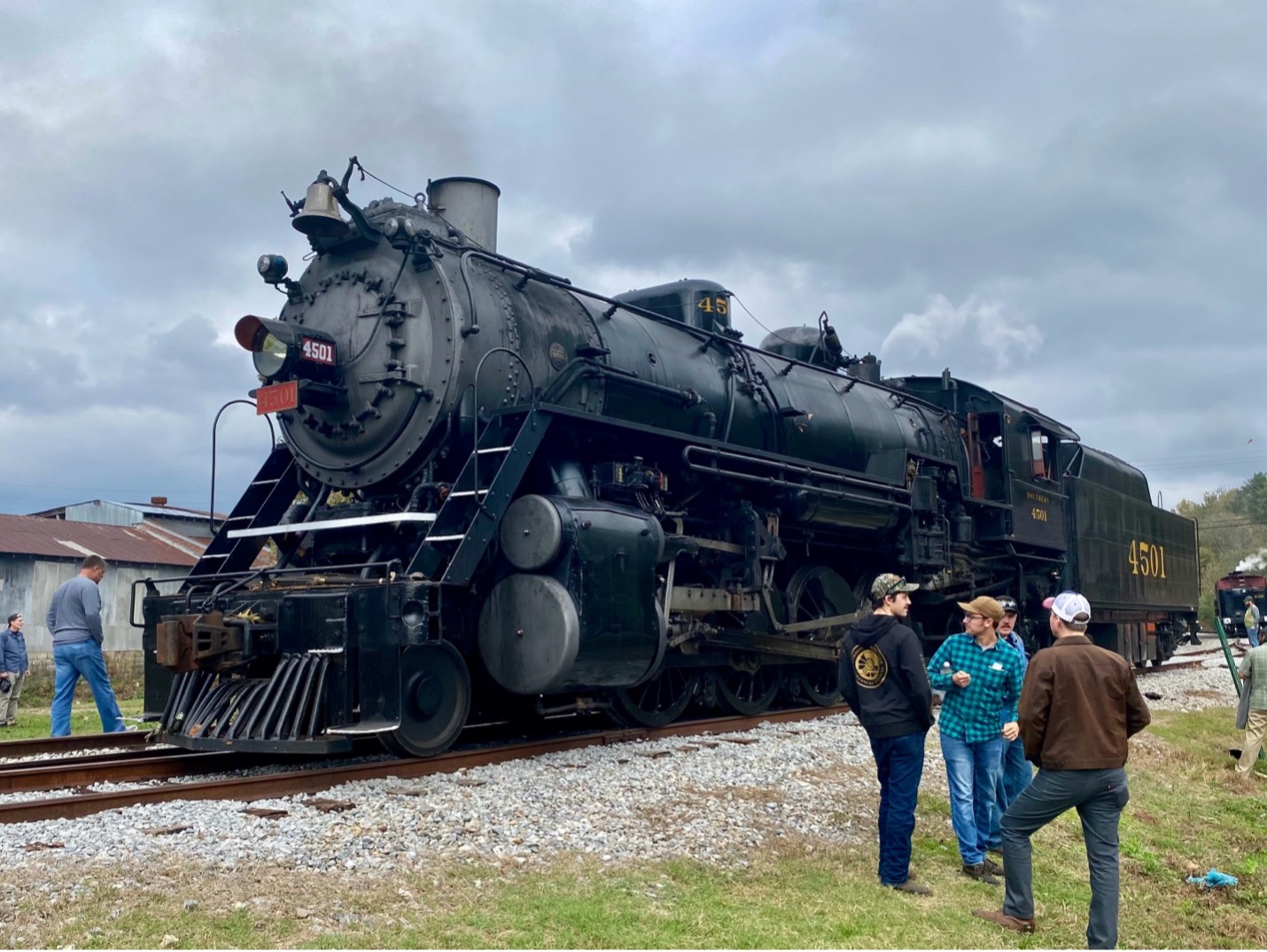
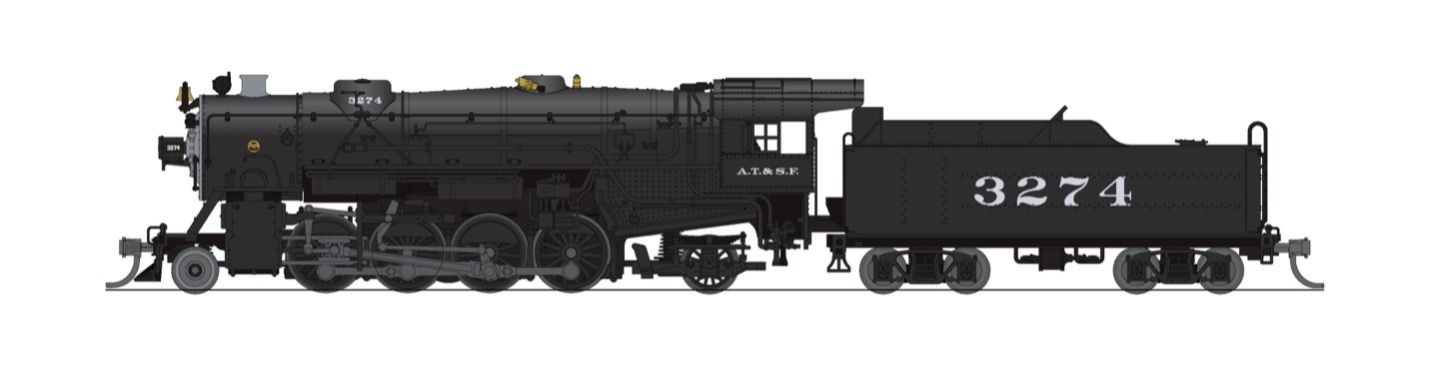
The Mikado (2-8-2) was one of the most common freight locomotives in North America. It provided a strong balance of speed and pulling power, making it ideal for mainline freight service. Many railroads owned large fleets of these engines.
Why it mattered:
- Backbone of freight operations
- Versatile for many routes
- Still widely used into the early diesel era
What it did:
The most common freight locomotive of the era—reliable, versatile, and
used on nearly every railroad.
Distinguishing features:
- 2 leading wheels, 8 driving wheels, 2 trailing wheels
- Medium-sized engine with a balanced, symmetrical look
- Large driving wheels but not oversized
- Typically no oversized firebox
👉 How to spot it:
Count the drivers—four pairs (8 total)—and a modest rear section.
🚆 Pacific (4-6-2) — Passenger Standard
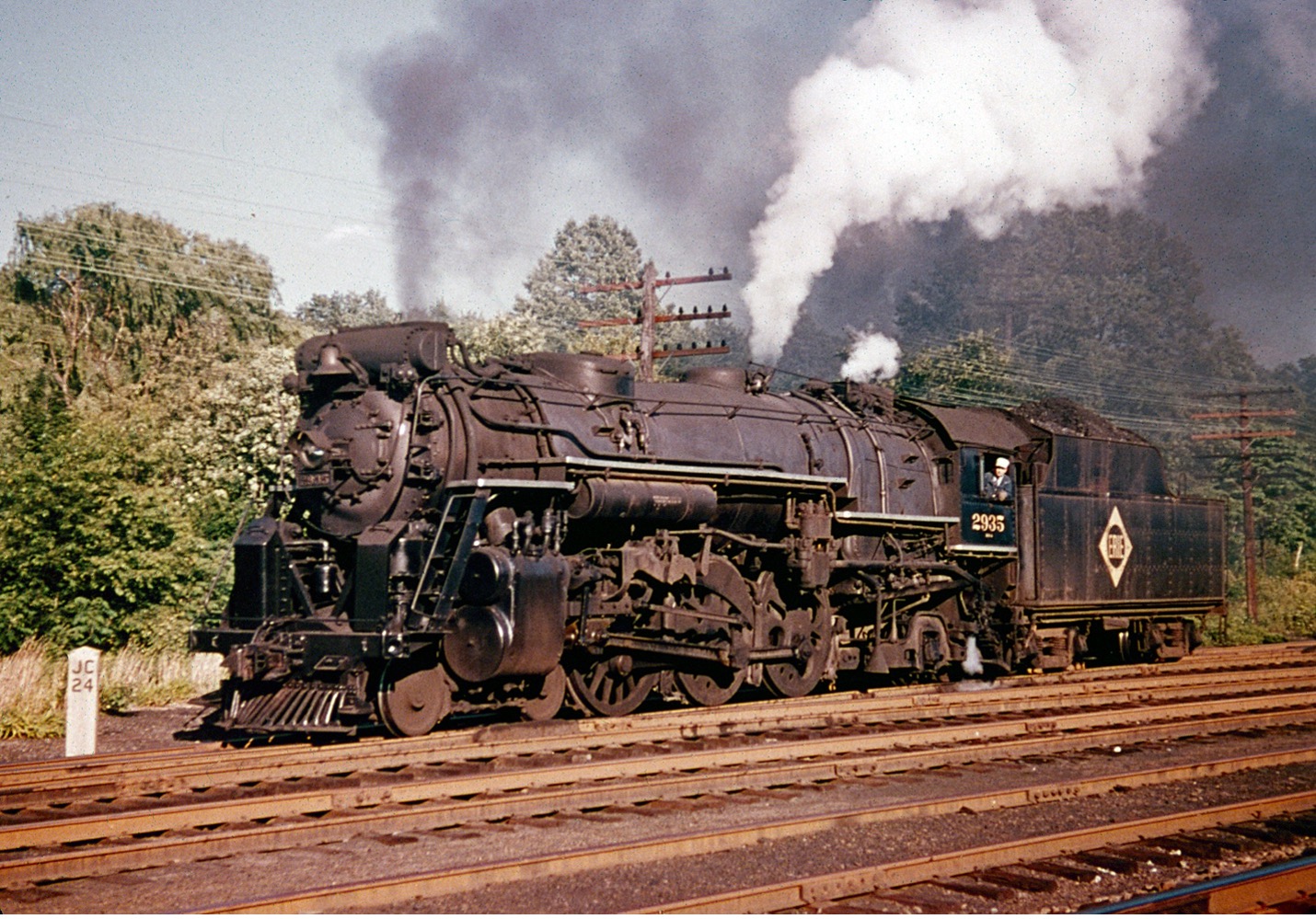
Description:
The Pacific (4-6-2) was the standard passenger locomotive for decades. Designed for speed, it hauled passenger trains across the country before being gradually replaced by larger engines.
Why it mattered:
- Reliable and fast
- Ideal for medium-to-heavy passenger trains
- Found on nearly every major railroad
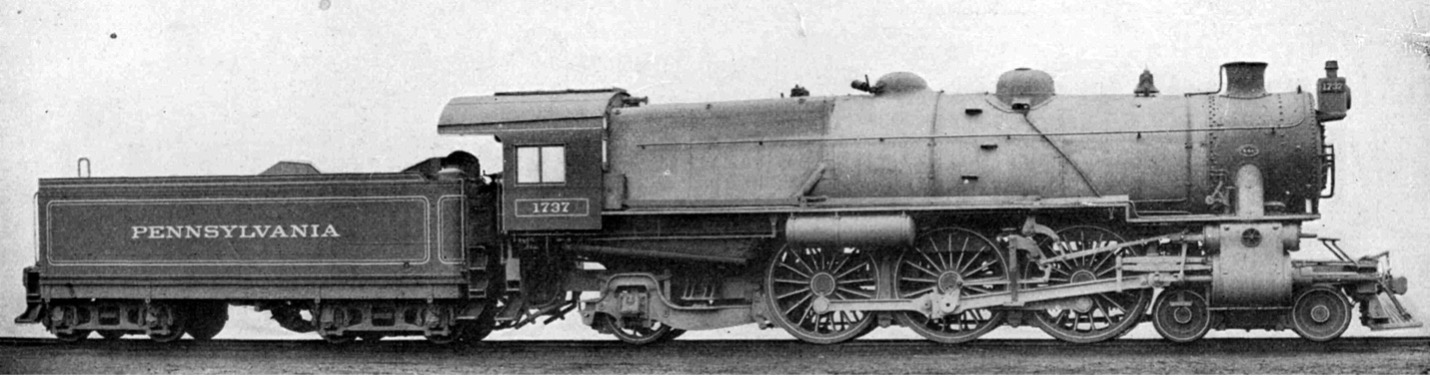
What it did:
The go-to passenger locomotive for decades—fast, smooth, and efficient.
Distinguishing features:
- 4 leading wheels, 6 drivers, 2 trailing wheels
- Larger front wheel set for stability at speed
- Sleek proportions, often with streamlined tenders
👉 How to spot it:
Fewer drivers (6 total) and a long, elegant front end.
🚄 Hudson (4-6-4) — High-Speed Passenger Power
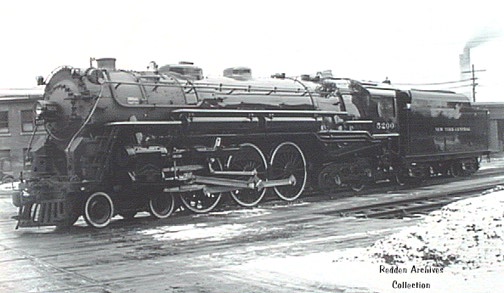
Description:
The Hudson (4-6-4) was an evolution of the Pacific, designed for higher speeds and longer trains. Famous on railroads like the New York Central, it powered premier trains such as the 20th Century Limited.
Why it mattered:
- Faster and more powerful than Pacifics
- Symbol of luxury passenger travel
- Icon of streamlined steam era
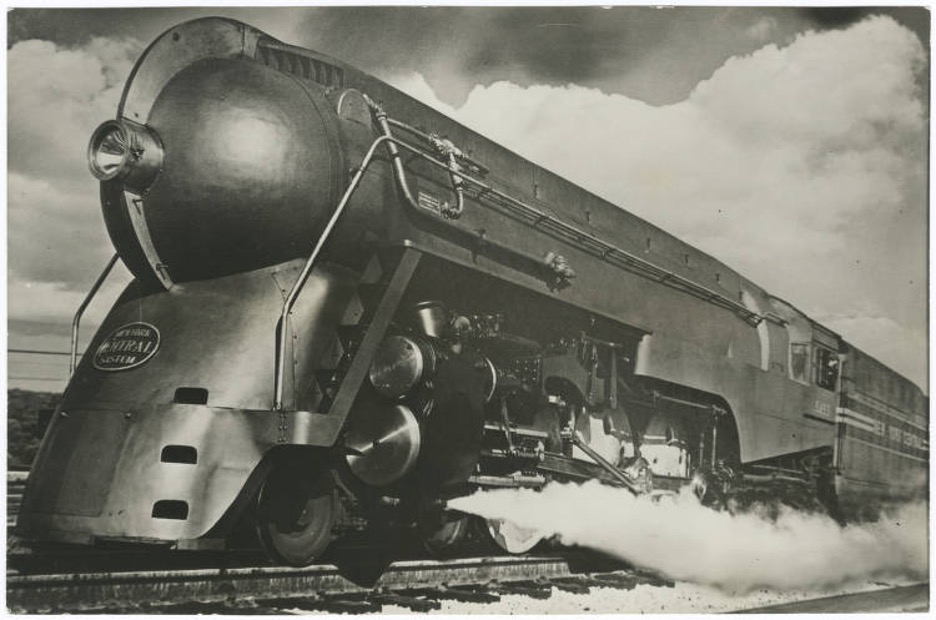
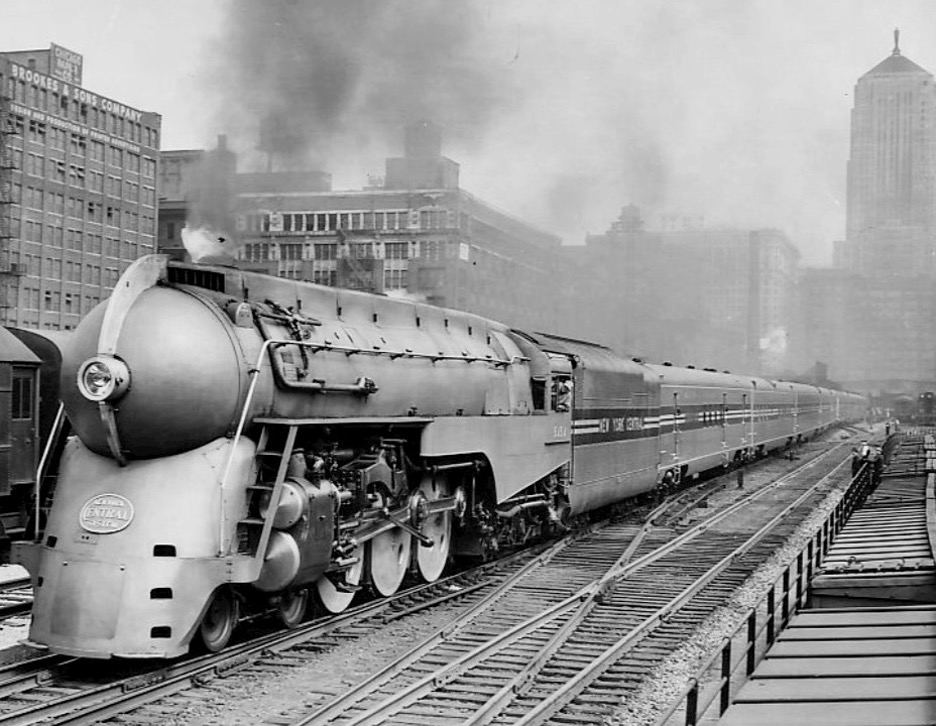
What it did:
Pulled fast, heavy passenger trains, often premier services.
Distinguishing features:
- Same drivers as Pacific (6), but larger trailing wheels (4)
- Bigger firebox for more power
- Often streamlined or highly polished
👉 How to spot it:
Looks like a Pacific—but with a larger rear section (4 wheels).
🚚 Consolidation (2-8-0) — Reliable Freight Veteran
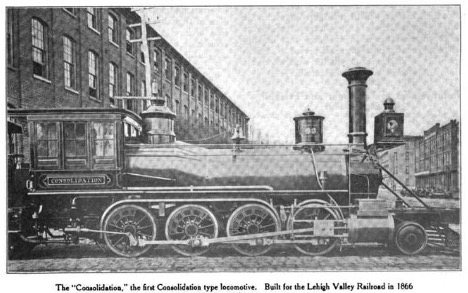
Description:
The Consolidation (2-8-0) was older but still widely used in the 1940s–50s, especially on branch lines and local freight.
Why it mattered:
- Extremely reliable and simple
- Ideal for lighter-duty service
- Many survived longer on smaller railroads
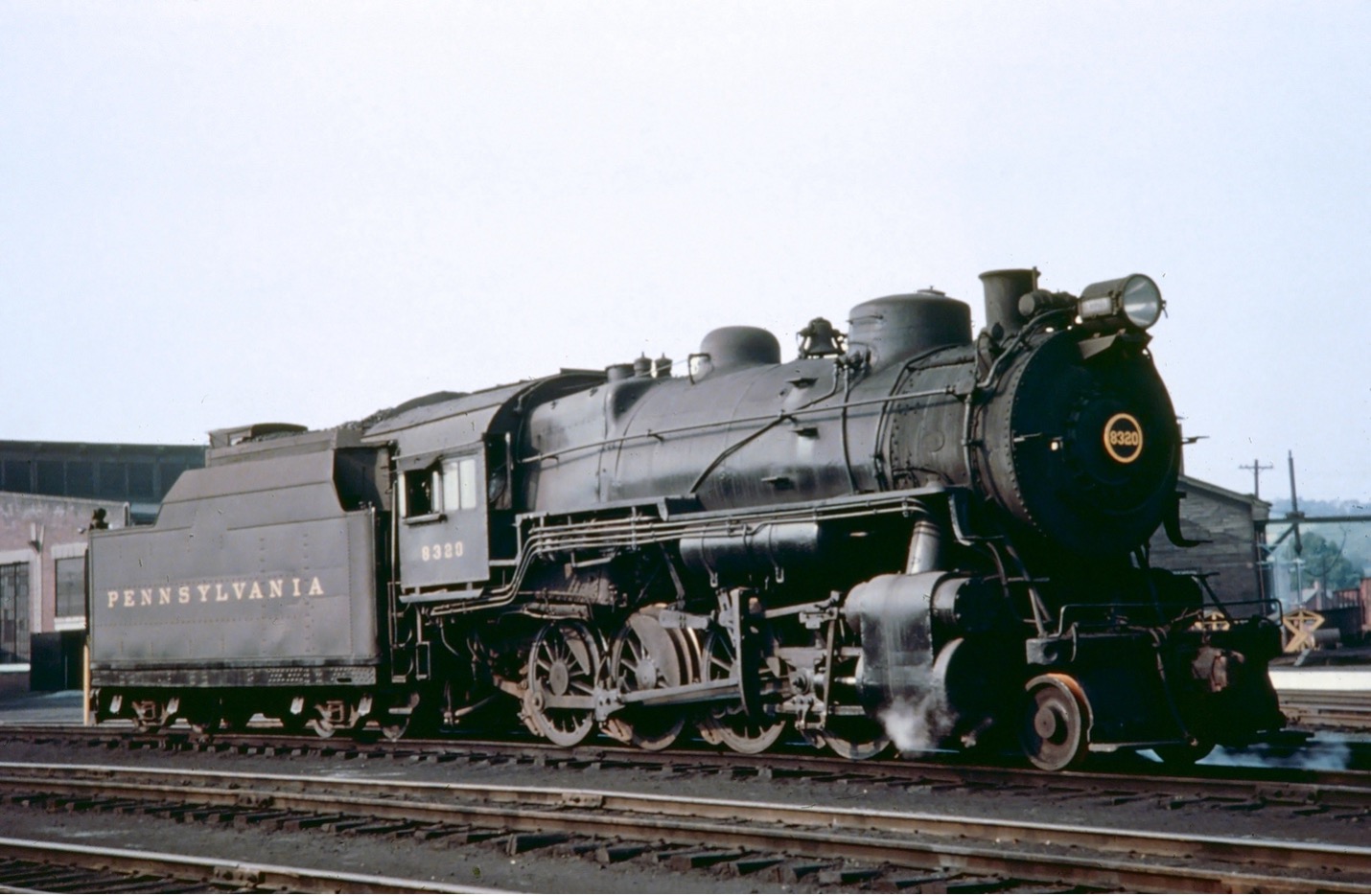
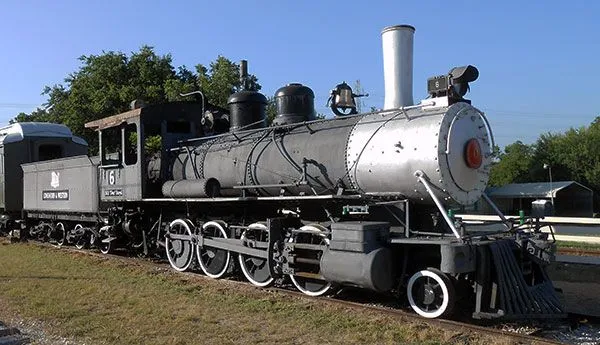
What it did:
Older but still widely used for local freight and branch lines.
Distinguishing features:
- 2 leading wheels, 8 drivers, no trailing wheels
- Shorter, more compact design
- Smaller firebox
👉 How to spot it:
Looks like a Mikado—but missing the rear wheels.
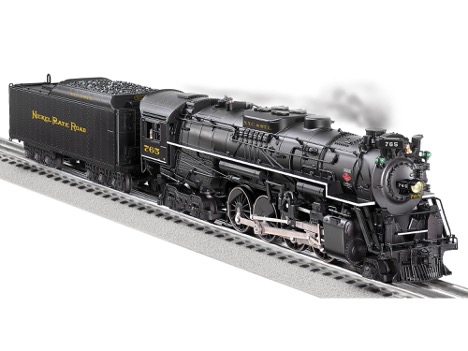
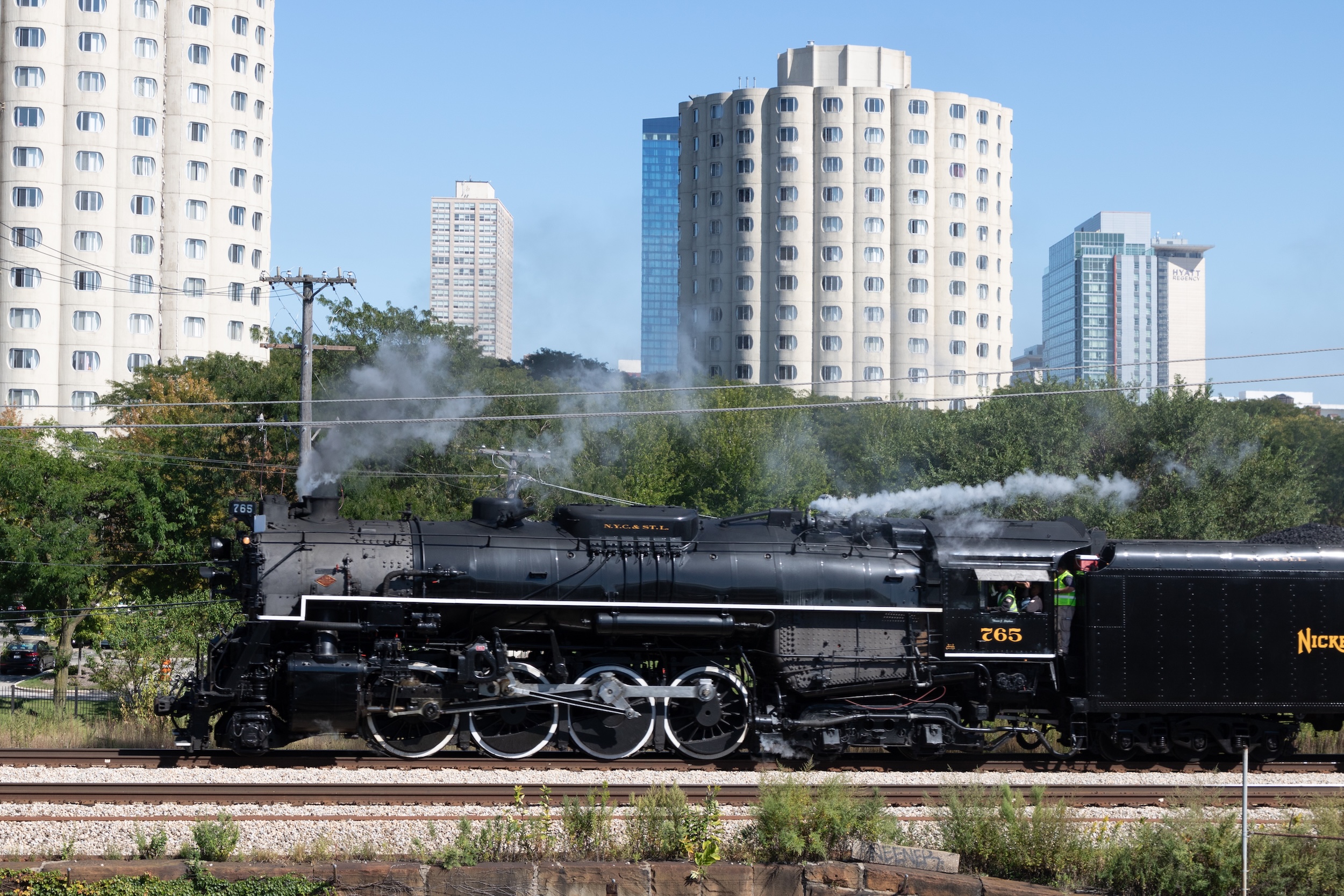
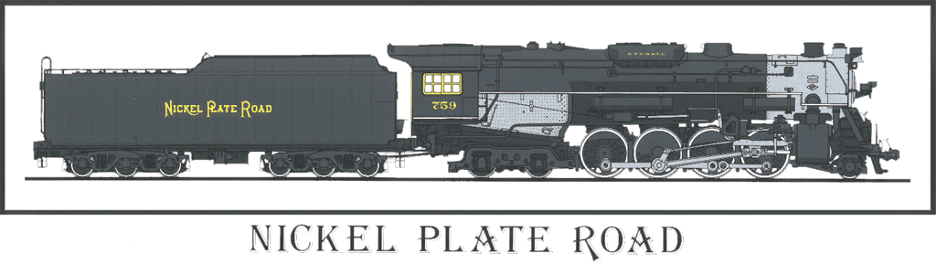
🚛 Berkshire (2-8-4) — Super-Power Freight
Description:
The Berkshire (2-8-4) represented “super-power” steam—larger fireboxes and higher speeds for fast freight service.
Why it mattered:
- High horsepower and efficiency
- Pulled heavy, fast freight trains
- Among the most advanced non-articulated engines
What it did:
Fast, powerful freight engine—part of the “super-power” era.
Distinguishing features:
- 2 leading wheels, 8 drivers, 4 trailing wheels
- Very large firebox
- Bulkier rear section
👉 How to spot it:
A Mikado with a big, extended rear (4 wheels).
🏔️ Santa Fe (2-10-2) — Heavy Drag Freight
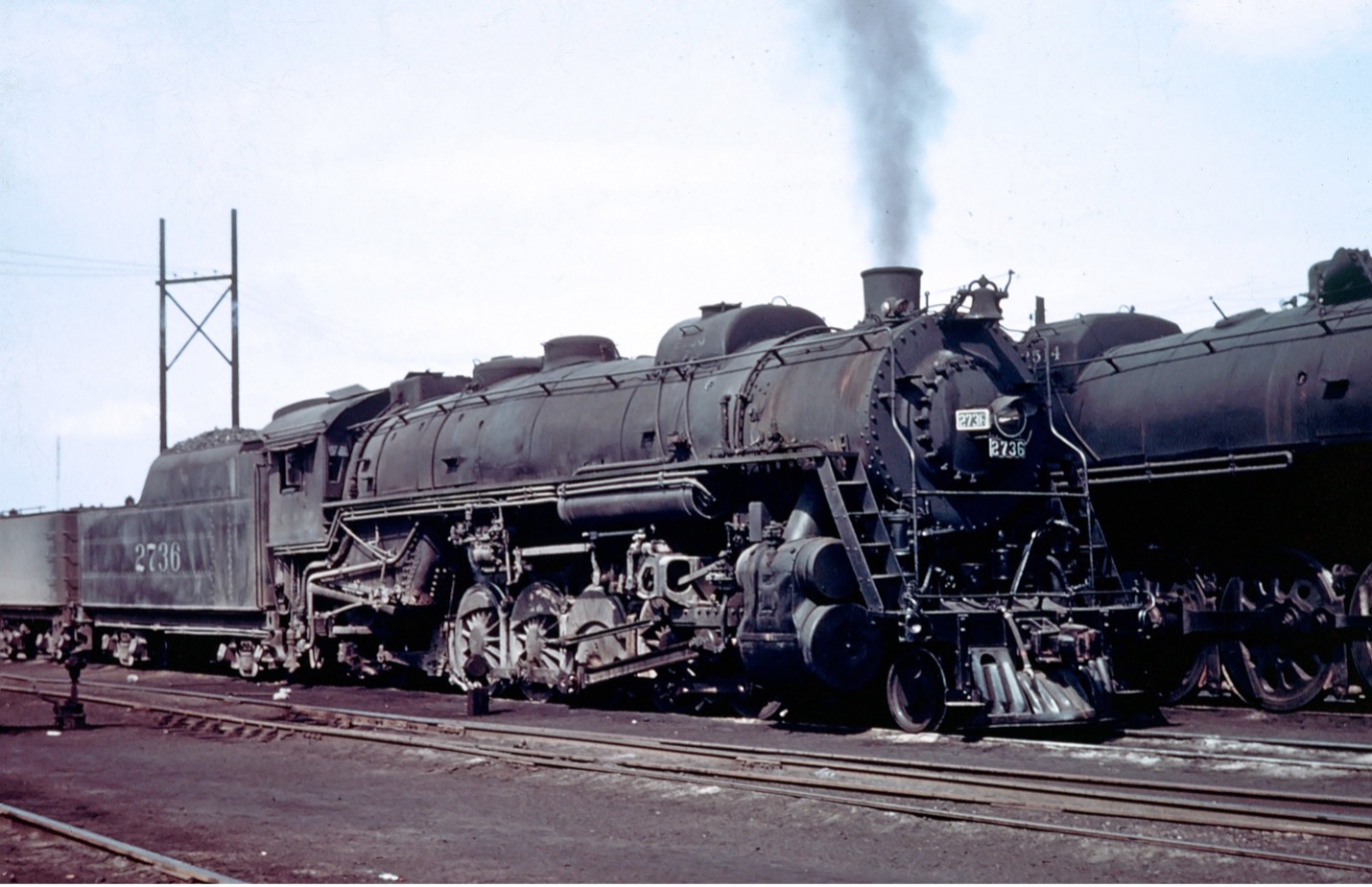
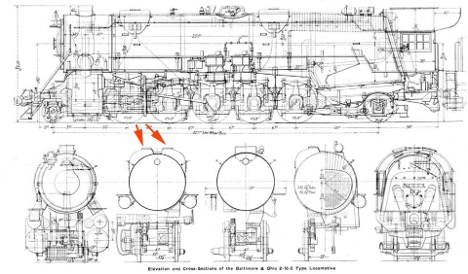
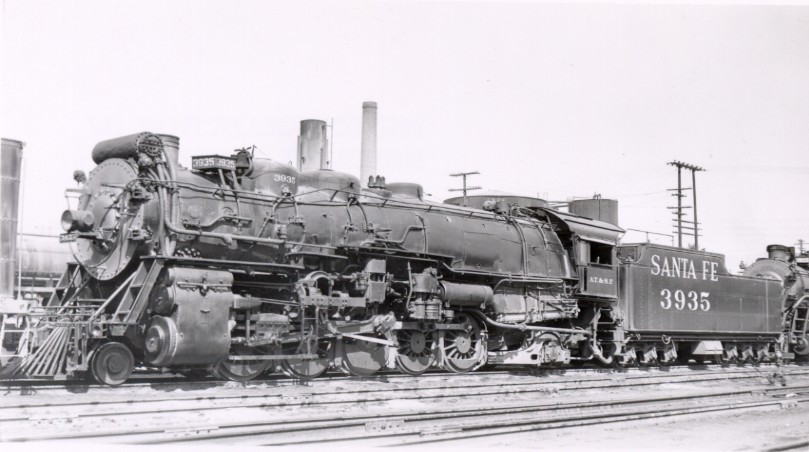
What it did:
Designed for slow, heavy trains, especially on grades.
Distinguishing features:
- 2 leading wheels, 10 driving wheels
- Very long and low profile
- Small firebox relative to length
👉 How to spot it:
Count the drivers—five pairs (10 wheels)—long and stretched out.
⛰️ Articulated (Mallet Types) — The Giants
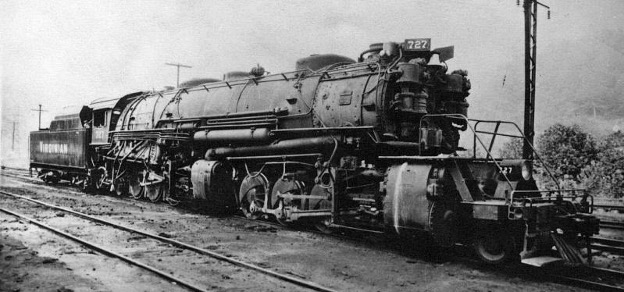
Description:
Articulated locomotives (often called Mallets) used hinged frames to handle curves while pulling extremely heavy trains.
Why it mattered:
- Massive power for coal and mountain railroads
- Essential in Appalachia and western U.S.
- Some of the largest steam locomotives ever built
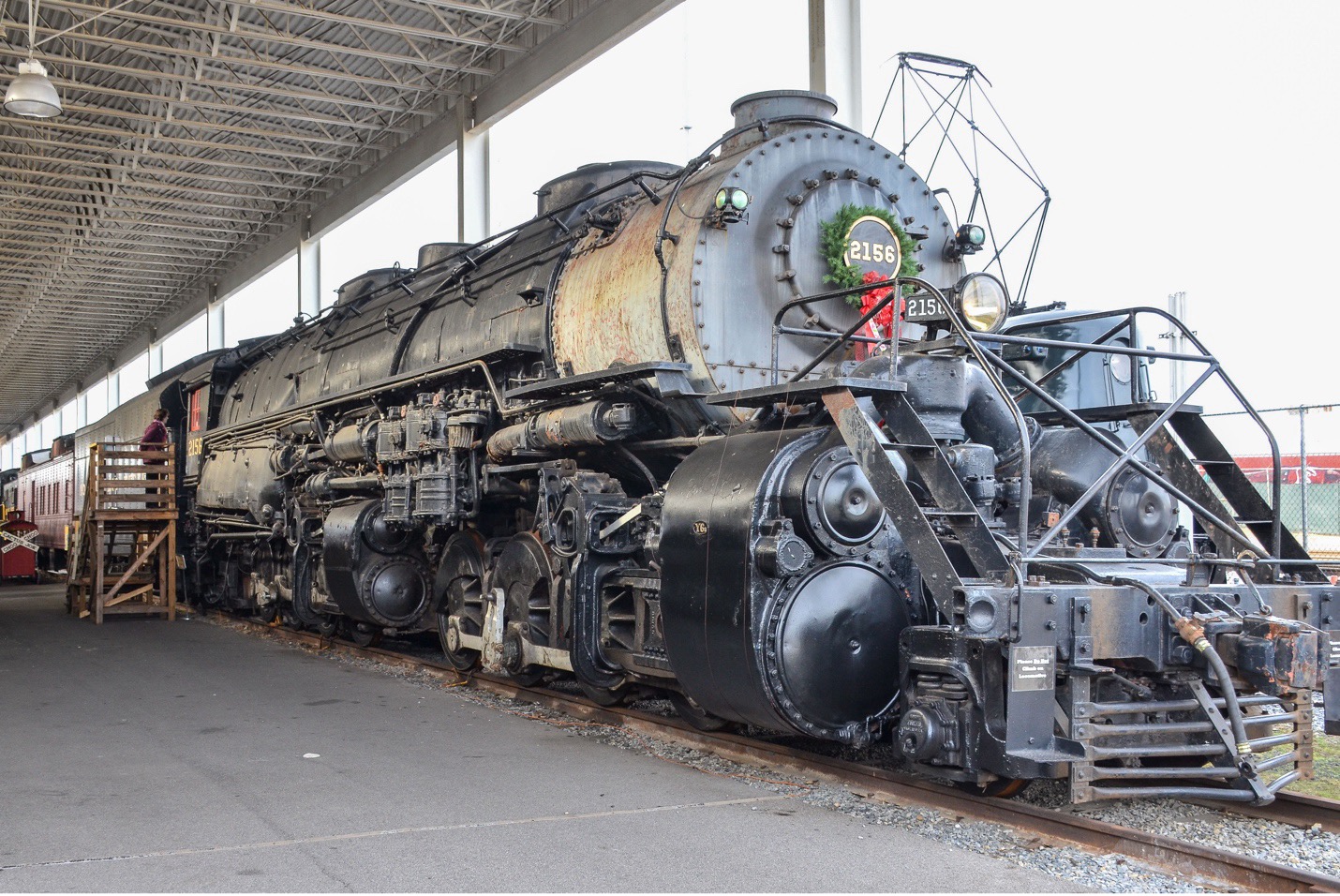
What it did:
Handled massive loads on mountains and coal routes.
Distinguishing features:
- Two sets of driving wheels (hinged)
- Extremely long locomotive
- Front engine pivots under the boiler
👉 How to spot it:
Looks like two locomotives joined together.
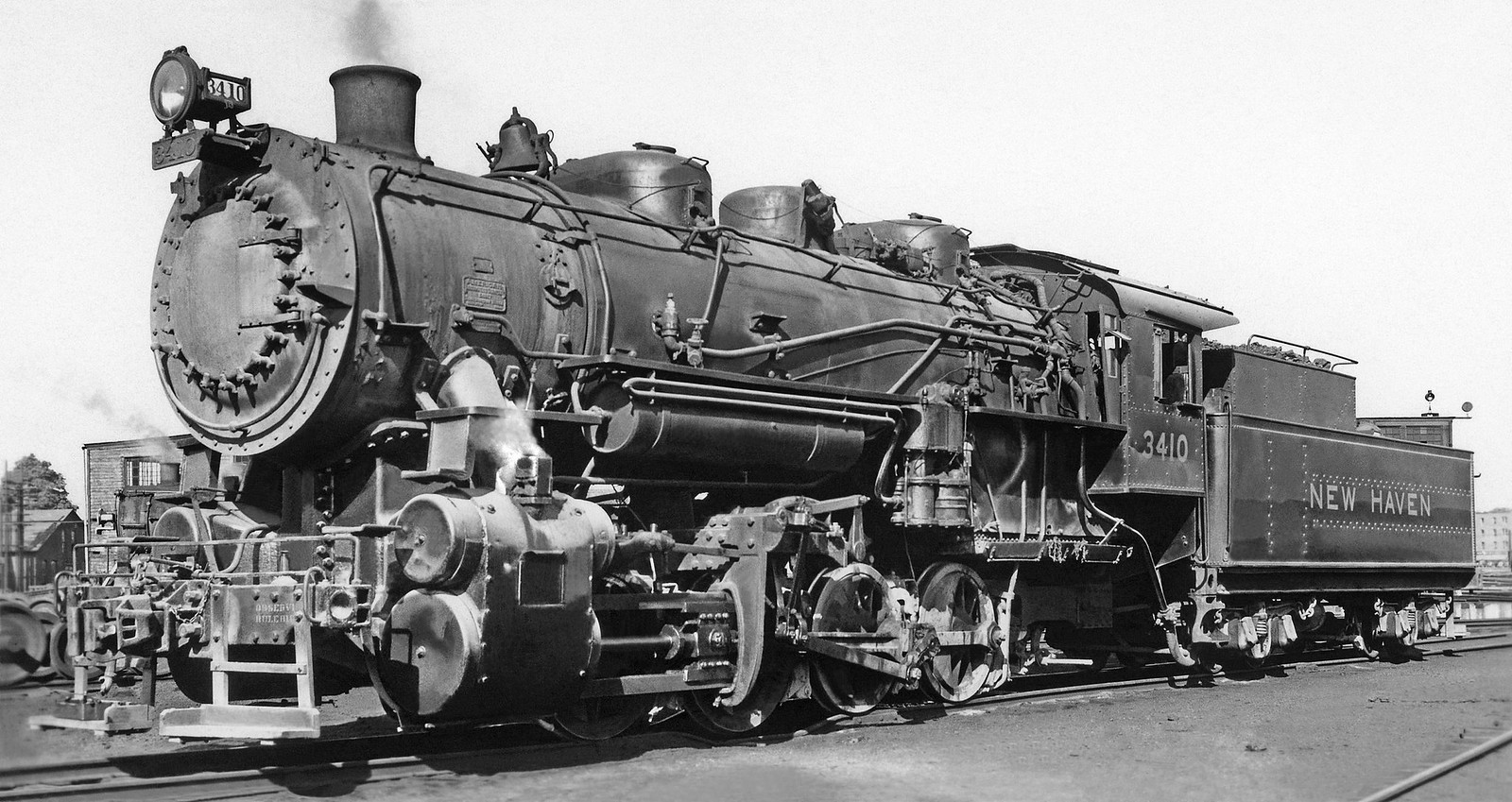
🏭 Switchers (0-6-0, 0-8-0) — Yard Workhorses
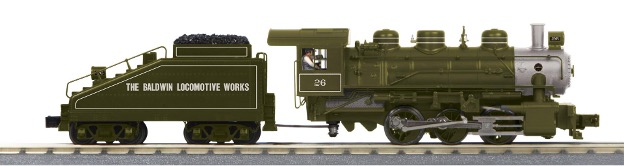
Description:
Small, powerful switching locomotives used in rail yards to assemble trains and move cars.
Why it mattered:
- Not fast, but very strong at low speeds
- Essential for daily railroad operations
- Among the last steam engines replaced by diesels
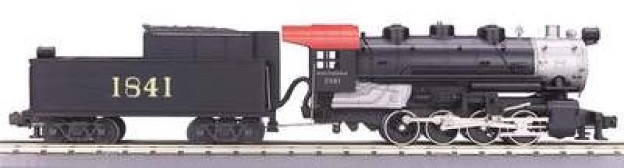
What it did:
Moved cars in rail yards—short, powerful, and precise.
Distinguishing features:
- No leading or trailing wheels
- Short, compact body
- Large cab and good visibility
👉 How to spot it:
Small engine with only driving wheels and no front/rear trucks.
🧠 Big Picture
By the 1940s–1950s, steam locomotive design had reached its peak:
- Freight: Mikados, Berkshires, Santa Fes
- Passenger: Pacifics and Hudsons
- Heavy hauling: Articulated giants
- Yard work: Switchers
👉 But by the mid-1950s, diesel locomotives rapidly replaced all of them, ending the steam era.
Videos of the Month
Thanks for reading this issue of Making Tracks. Next month, we'll talk about diesels. Don't forget to come into the museum while you still can. Stay tuned to the website and to the monthly newsletter to stay informed and find out where our next hangout will be.

We are proud to be members of the following organizations:
The Virginia Association of Museums
The Train Collectors Association
Hampton Roads Chamber of Commerce
Hobby Manufacturers Association
National Railroad Historical Society
(Endorsed advertisement)
Welcome to
New Tracks Modeling!
New Tracks Modeling is an exciting digital opportunity to obtain mentoring to help you improve your modeling. You will meet talented modelers and manufacturers from all over the world who will share their model building expertise and artistic advice. New Tracks Modeling is open to all modelers of all skill levels in any scale or gauge.
Our Shows are live every Wednesday evening at 7pm Eastern/4pm Western on Zoom and YouTube. By subscribing to our website newtracksmodeling.com you’ll receive email notices containing links to both the Zoom and YouTube presentations.
New Tracks Modeling Mentoring Scholarship
Your donation will help to provide scholarships for model railroaders who are HS graduates and continuing their education in a STEAM field.Your generosity is greatly appreciated!
To donate click on this link.
https://www.zeffy.com/en-US/donation-form/038439bf-a552-44e2-9b46-ef54aaa0e274

Building-Your-Model-Railroad.com (BYMRR.com) Is the most comprehensive website available on model railroading, providing written tutorials on how to build a model railroad from benchwork to scenery to advanced automation. This has become the 'BIBLE" for many model railroaders around the world since 2009.
Model Railroader's Guide to Steam Engines
🚂 Model Railroader's Guide: “Modeling 1940s–1950s Steam: HO & N Scale Guide”
If you want to recreate the golden age of steam on your layout, here’s how to match locomotive types to HO and N scale models—with practical tips.
🚛 Freight Locomotives:
Mikado (2-8-2)
Berkshire (2-8-4)
Santa Fe (2-10-2)
🚆 Passenger Locomotives:
Pacific (4-6-2)
Hudson (4-6-4) ⛰️
Heavy Power: Articulated (2-6-6-2, 2-8-8-2, etc.)
🏭 Yard Operations:
Switchers (0-6-0, 0-8-0)
🧩 Layout Planning Tips:
🎯 Beginner Setup Recommendation:
If starting fresh:
- 1 Mikado (freight)
- 1 Pacific (passenger)
- 1 switcher (yard)
👉 This gives you a complete, realistic operating railroad.

Now Partnering with BYMRR Train Store:

Share this site on your favorite Social Media page!
Recent Articles


-
Tracks to Tidewater
Sep 23, 26 10:01 PM
The Mid-Eastern Region of the NMRA is having its 2026 Convention here in Virginia Beach this year at the Holiday Inn on Greenwich Rd. You don't have to be a member to attend; you just have to buy a ti… -
Making-Tracks-September-2026
Sep 13, 26 08:53 PM
 Making-Tracks-September-2026
 -
Making-Tracks-Summer-2026
Aug 17, 26 08:38 AM
 The official newsletter for the Model Railroad Museum of Hampton Roads

The Birth of Virginia Beach
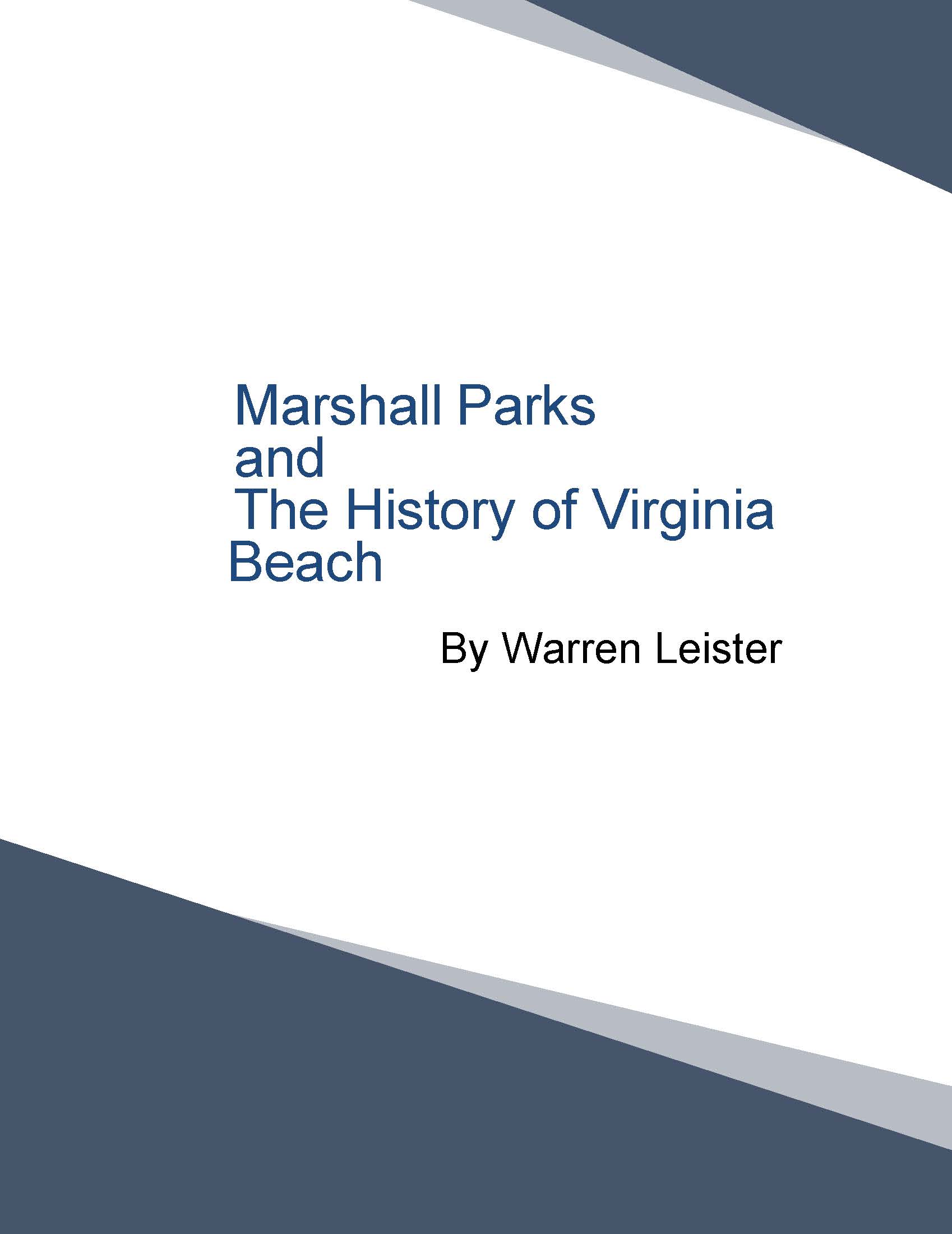
We have created and published a new historical document on the Birth of Virginia Beach. This has been written by our historian Warren Leister after researching the era and the people involved for several years. Excepts have been published here in our newsletter previously, but the information is now available all together in a 99 page document that you can purchase in our store. It factually explores the events, the dedicated people and the interesting culture in which they lived. Pick up your copy today!
PayPal Giving Fund:
No Credit Card Fees
OR...
Charitable Donations through PayPal, Credit or Debit cards:
(Opt in or out of paying credit card fees)
Get Updates and Special Offers in
the MRMHR Newsletter:
Making Tracks
Sign Up Here...
The official newsletter for the Model Railroad Museum of Hampton Roads

Model Railroad Museum of Hampton Roads
©Copyright 2022-2026. All Rights Reserved.