Come Together
Making Tracks - May 2026
Closing Soon, But Still Alive!
MacArthur Center (Mall) will be closing soon, which is a real shame because it is still such very nice mall, always clean and very well-maintained. Unfortunately, our Model Railroad Museum will be collateral damage since we will have to close as well. We have received notice that we have to vacate the area on or before June 27th. In order to have enough time to dismantle all of our layouts, we will close on June 1st to begin the process. We have several people who have volunteered to help us. If we need more, we can hire a moving company.
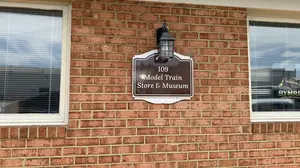
After moving most of our equipment into storage, and before we manage to get into a more permanent place, we will maintain a small office temporarily at 750 Lord Dunmore Dr. Unit #109, Virginia Beach 23464. This will contain a small store offering new and used items for sale and probably one or two small layouts just for fun.
We are actively looking for a larger space and hope to have a new full museum all set up before the holidays. So, don't lose faith. We will continue to keep you informed of our progress.
Train Stores in the Area Are Few and Far Between
Model Railroaders are having trouble obtaining supplies to build and maintain their train layouts. The number of model train stores in the area are dwindling fast. The long term number one train store in Tidewater, Dale's Trains in Norfolk, had to close recently, apparently due to problems with their building. It is not known when or whether they will open again. There are still some train supplies at HobbyTown in Loehmann's Plaza in Virginia Beach and also a few pre-owned items in the Antique Mall on Bonney Road, also in Virginia Beach. The only other option is our Museum store, owned and operated by a separate company, BYMRR (Building Your Model Railroad), with whom we have established a partnership. We provide the space they need for a physical store and they provide regular donations to help keep the museum active and operational. I think our customers like the fact that every item they buy from the store contributes to the growth and maintenance of the Museum. So if you need a new locomotive or more rolling stock, we've got it, and your purchase if you make one, also serves as a donation to the Museum. I always love a win-win situation. It makes everybody feel better.
Train Song of the Month
Boxcar ‘s My Home (1986)
Boxcar Willie with Willie Nelson
https://youtu.be/tht-tLVjos4?si=ogC6n_BL760sn81X
"Boxcar’s My Home" was written by Lloene Martin, the wife of Boxcar Willie (Lecil Travis Martin). The song was famously performed by Boxcar Willie and often featured in his performances during the 1980s, including his 1986 King of the Freight Train album.
A hobo is a migrant worker in the United States. Hobos, tramps, and bums are generally regarded as related, but distinct: a hobo travels and is willing to work; a tramp travels, but avoids work if possible; a bum neither travels nor works. While there have been drifters in every society, the term became common only after the broad adoption of railroads provided free, though illegal, travel by hopping aboard train cars (so-called “freighthopping"). With the end of the Civil War in the 1860s, many discharged veterans returning home began to hop freight trains. Others looking for work on the American frontier followed the railways west aboard freight trains in the late 19th century.
Lecil Travis Martin (September 1, 1931 – April 12, 1999), whose stage name was Boxcar Willie, was an American country music singer-songwriter, who sang in the “old time hobo” music style, complete with overalls and a floppy hat. "Boxcar Willie" was originally a character in a ballad he wrote, but he later adopted it as his own stage name. His early musical career was parallel to service as an enlisted flight engineer in the US Air Force.
Willie Hugh Nelson (born April 29, 1933) is an American singer, guitarist, songwriter, actor, and activist. He was one of the main figures of the outlaw country subgenre that developed in the late 1960s as a reaction to the conservative restrictions of the Nashville sound.
For more “train songs” check out the “Train Songs for Model Railroad ” YouTube playlist at
https://youtube.com/playlist?list=PL07n2-n5FoRHYzhKfA--soywuLOFvEv1l&si=IODFaTIeOe7OBQ7G
By Frank Reed
Getting Started in Model Railroading: What are the Decisions You Need to Make?
Getting started in model railroading is a lot like planning a miniature world. The good news is that you do not need to figure out everything at once. The best first layouts are the ones that are simple enough to finish and fun enough to keep you excited.
Here are the big early decisions that shape everything else:
1. What Interests You Most?
This is the foundation of your railroad.
Some people love:
- Watching long trains roll through scenery
- Switching industries and realistic operations
- Building scenery and structures
- Collecting locomotives
- Historical railroads
- Modern freight
- Steam-era railroading
- Passenger trains
- Narrow gauge or logging lines
A great starting question is:
“What kind of trains make me stop and look?”
If giant steam locomotives fascinate you, that points one direction.
If modern Norfolk Southern freight trains excite you, that points another.
For many beginners, choosing an era helps:
- 1940s–1950s = steam and early diesels
- 1960s–1970s = colorful first-generation diesels
- Modern era = big freight, containers, Amtrak, modern industries
This is the most important practical decision.
2. How Much Space Do You Have?
Your available space determines:
- Layout size
- Scale
- Track plan style
- Train length
Typical options:
- Small shelf layout
- 4x8 table
- Around-the-wall layout
- Spare room empire
- Portable modules
Even a small layout can be fantastic.
Common beginner spaces:
Coffee table or shelf --> Z or N
4x8 sheet plywood --> HO or N
Spare bedroom --> HO, N, O
Large basement --> Any scale
3. Which Scale Should You Choose?
This is usually the next major decision.
HO Scale: Most popular beginner scale.
Advantages:
- Huge selection
- Easier to work on
- Good detail
- Widely available
- Great beginner support
Downsides:
- Needs more space
N Scale: Smaller trains, more railroad in less space.
Advantages:
- Fits more scenery and longer trains
- Great for apartments/smaller rooms
- Excellent for big western scenery
Downsides:
- Smaller parts can be trickier
O Scale: Large and impressive.
Advantages:
- Big, rugged, dramatic
- Easier to handle
- Great sound systems
Downsides:
- Requires substantial space
- More expensive
Other Scales:
G Scale: Large. Best for garden railroads
Z Scale: Very Small. Can put a layout on a desk or in a suitcase.
HOn30 Scale: Narrow gauge, for running HO equipment on N scale track. Good for mountainous railroads with sharp curves.
4. What Kind of Layout Do You Want?
- HO = best all-around choice
- N = best if space is limited
There are several classic approaches.
Continuous Running: Train runs in circles endlessly.
- Relaxing
- Watching trains
- Family layouts
- Beginners
Switching Layout: Focuses on industries and operations.
Great for:
- Realistic railroad work
- Smaller spaces
Point-to-Point
- Train travels from one town to another.
Great for:
- Realistic operation
- Scenic railroads
Hybrid Layout
Most people eventually combine these.
5. DC or DCC?
This is about train control.
DC (Direct Current): Traditional system.
- Simpler
- Less expensive
- Fine for one-train operation
DCC (Digital Command Control). Modern standard.
Advantages:
- Control multiple trains independently
- Sound locomotives
- Lighting effects
- More realistic operation
Downsides:
- Higher startup cost
- Slight learning curve
Most new hobbyists today eventually choose DCC.
6. What Is Your Budget?
A model railroad can be:
- Very affordable
- Moderately expensive
- A full-scale lifetime investment
You absolutely do not need everything immediately.
A smart beginner budget usually focuses on:
- Good locomotive
- Reliable track
- Quality power/control system
- Simple scenery
Cheap track and poor wiring create frustration faster than almost anything else.
7. Temporary or Permanent?
This matters more than beginners realize.
Ask yourself:
- Will this move later?
- Is this a learning layout?
- Is this my dream railroad?
Many experienced hobbyists recommend:
Build a “learning railroad” first.
You learn:
- Track laying
- Wiring
- Scenery
- Operations
- What you actually enjoy
Then your second layout becomes dramatically better.
8. Do You Want Realism or Fun?
The secret:
You can absolutely have both.
Some hobbyists pursue exact historical realism.
Others run steam locomotives beside modern diesels through fantasy scenery.
Both are valid.
Your railroad should make you happy. "It's YOUR railroad. You can do whatever you want."
A Simple Beginner Path That Works Very Well:
Many beginners succeed with:
- HO scale
- Small 4x8 or shelf layout
- One railroad era
- One or two locomotives
- DCC starter system
- Simple scenery first
That keeps the project manageable and enjoyable.
9. Beginner Mistakes to Avoid:
Trying to build too large: Big unfinished layouts are common.
Buying too much too early: Start small and learn what you enjoy.
Using tight curves with large locomotives: Big steam engines need broader curves.
Ignoring wiring quality: Reliable wiring makes everything better.
Expecting perfection immediately: Every model railroader learns by doing.
10. The Most Important Decision
The single best thing you can decide is:
“I’m going to enjoy the process.”
Because model railroading combines:
- Art
- Engineering
- History
- Electronics
- Carpentry
- Storytelling
- Operations
- Collecting
…and nobody masters it all at once.
That’s part of the fun.
Hint: Start with a train set in your chosen scale. Then start adding things, like buildings, branch lines, industries, scenery, etc. A little at a time.
Reference on how to build a model railroad: BYMRR.com
Videos of the Month
Thanks for reading this issue of Making Tracks. Don't forget to come into the museum while you still can. Stay tuned to the website and to the monthly newsletter to stay informed and find out where our next hangout will be.

We are proud to be members of the following organizations:
The Virginia Association of Museums
The Train Collectors Association
Hampton Roads Chamber of Commerce
Hobby Manufacturers Association
National Railroad Historical Society
(Endorsed advertisement)
Welcome to
New Tracks Modeling!
New Tracks Modeling is an exciting digital opportunity to obtain mentoring to help you improve your modeling. You will meet talented modelers and manufacturers from all over the world who will share their model building expertise and artistic advice. New Tracks Modeling is open to all modelers of all skill levels in any scale or gauge.
Our Shows are live every Wednesday evening at 7pm Eastern/4pm Western on Zoom and YouTube. By subscribing to our website newtracksmodeling.com you’ll receive email notices containing links to both the Zoom and YouTube presentations.
New Tracks Modeling Mentoring Scholarship
Your donation will help to provide scholarships for model railroaders who are HS graduates and continuing their education in a STEAM field.Your generosity is greatly appreciated!
To donate click on this link.
https://www.zeffy.com/en-US/donation-form/038439bf-a552-44e2-9b46-ef54aaa0e274

Building-Your-Model-Railroad.com (BYMRR.com) Is the most comprehensive website available on model railroading, providing written tutorials on how to build a model railroad from benchwork to scenery to advanced automation. This has become the 'BIBLE" for many model railroaders around the world since 2009.
Model Railroader's Guide to Steam Engines
🚂 Model Railroader's Guide: “Modeling 1940s–1950s Steam: HO & N Scale Guide”
If you want to recreate the golden age of steam on your layout, here’s how to match locomotive types to HO and N scale models—with practical tips.
🚛 Freight Locomotives:
Mikado (2-8-2)
Berkshire (2-8-4)
Santa Fe (2-10-2)
🚆 Passenger Locomotives:
Pacific (4-6-2)
Hudson (4-6-4) ⛰️
Heavy Power: Articulated (2-6-6-2, 2-8-8-2, etc.)
🏭 Yard Operations:
Switchers (0-6-0, 0-8-0)
🧩 Layout Planning Tips:
🎯 Beginner Setup Recommendation:
If starting fresh:
- 1 Mikado (freight)
- 1 Pacific (passenger)
- 1 switcher (yard)
👉 This gives you a complete, realistic operating railroad.

Now Partnering with BYMRR Train Store:
Share this site on your favorite Social Media page!
Recent Articles


-
Tracks to Tidewater
Sep 23, 26 10:01 PM
The Mid-Eastern Region of the NMRA is having its 2026 Convention here in Virginia Beach this year at the Holiday Inn on Greenwich Rd. You don't have to be a member to attend; you just have to buy a ti… -
Making-Tracks-September-2026
Sep 13, 26 08:53 PM
 Making-Tracks-September-2026
 -
Making-Tracks-Summer-2026
Aug 17, 26 08:38 AM
 The official newsletter for the Model Railroad Museum of Hampton Roads

The Birth of Virginia Beach
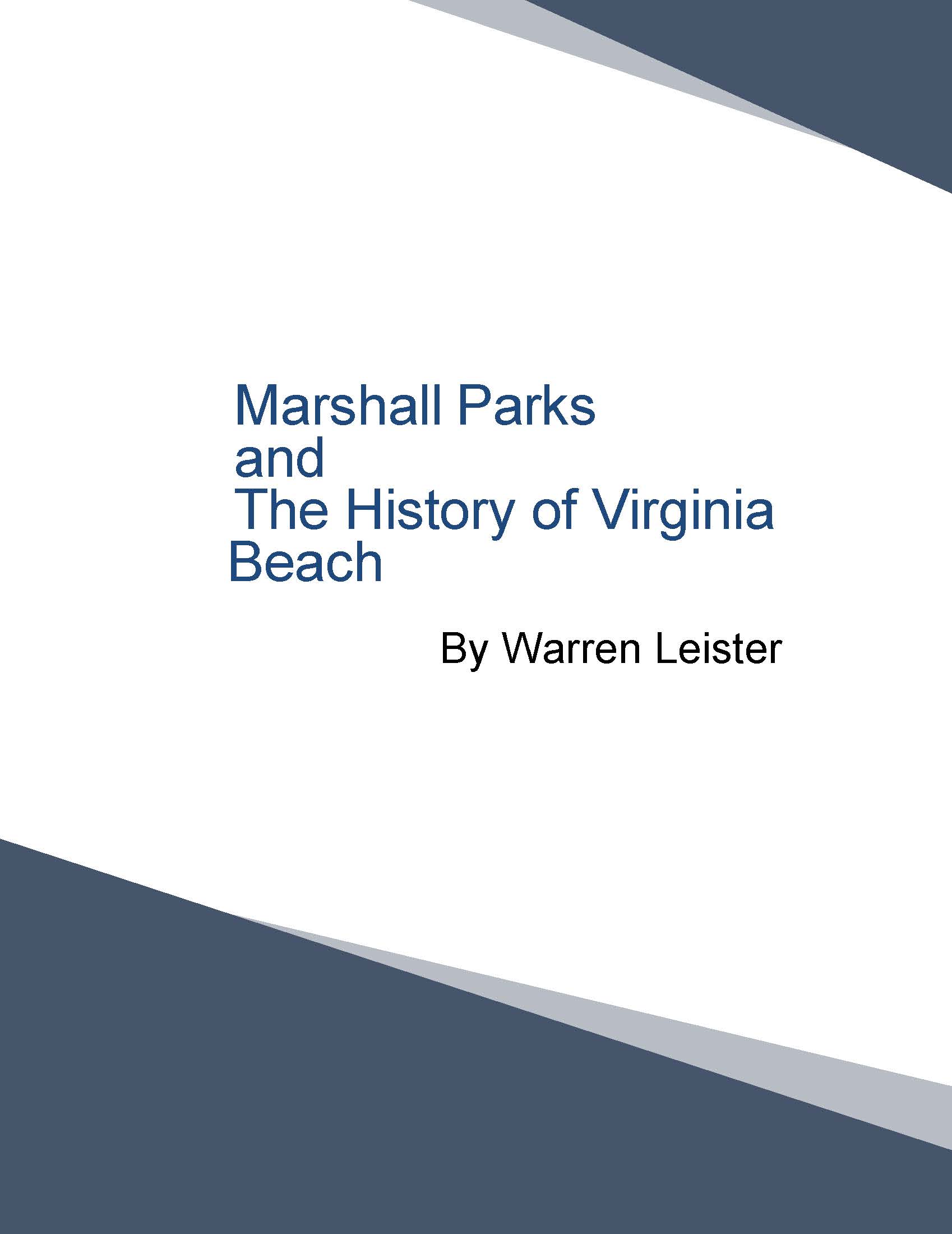
We have created and published a new historical document on the Birth of Virginia Beach. This has been written by our historian Warren Leister after researching the era and the people involved for several years. Excepts have been published here in our newsletter previously, but the information is now available all together in a 99 page document that you can purchase in our store. It factually explores the events, the dedicated people and the interesting culture in which they lived. Pick up your copy today!
PayPal Giving Fund:
No Credit Card Fees
OR...
Charitable Donations through PayPal, Credit or Debit cards:
(Opt in or out of paying credit card fees)
Get Updates and Special Offers in
the MRMHR Newsletter:
Making Tracks
Sign Up Here...
The official newsletter for the Model Railroad Museum of Hampton Roads
Why Attend Train Shows? The Hidden Value Behind the Hobby
Train shows might seem, at first glance, like simple gatherings of enthusiasts—but in reality, they are dynamic spaces where knowledge, community, and discovery intersect. Much like the number 5, symbolizing curiosity and exploration, train shows offer multiple dimensions of value that go far beyond just looking at model railroads.
Let’s break down the advantages.
1. See Rare Models and Layouts Up Close
Train shows often feature:
- Massive, highly detailed layouts you won’t see anywhere else
- Rare or discontinued locomotives and rolling stock
- Custom-built scenery and miniature worlds
👉 Photos online don’t compare to seeing the craftsmanship in person—the scale, motion, and detail come alive.🤝 2. Connect with a Community
One of the biggest advantages is the people.
At train shows, you can:
- Meet experienced hobbyists and learn directly from them
- Join clubs and local groups
- Share ideas, tips, and stories
👉 For many, this sense of community is the core reason they keep coming back.
💰 3. Find Deals and Hard-to-Get Items
Vendors at train shows often sell:
- Discounted new items
- Used or vintage pieces
- Parts for repairs or kitbashing
👉 You can often find items that are impossible to locate online—or at much better prices.🧠 4. Learn New Skills
Train shows are educational hubs:
- Clinics and demonstrations (weathering, wiring, scenery building)
- Advice on layouts, electronics, and maintenance
- Exposure to different scales and techniques
👉 Whether you're a beginner or advanced modeler, there’s always something new to learn.
🚸 5. Fun for All Ages
Train shows are surprisingly family-friendly:
- Interactive displays for kids
- Simple joy of watching trains run
- A gateway into STEM interests
👉 They blend nostalgia for adults with excitement for younger generations.
🔢 The “5 Benefits” Framework
In true symbolic fashion, train shows align neatly with five core advantages:
- Visual Inspiration – See what’s possible
- Social Connection – Meet like-minded people
- Economic Value – Find deals and rare items
- Skill Building – Learn by observing and asking
- Entertainment – Enjoy a unique, immersive experience
Conclusion
Train shows are more than events—they’re living ecosystems of the rail hobby, where creativity, engineering, and community all converge. Like the number 5, they represent movement, interaction, and discovery.
If you’ve never attended one, it might just transform how you experience trains—from something you watch… to something you truly engage with.

Model Railroad Museum of Hampton Roads
©Copyright 2022-2026. All Rights Reserved.